Pop's Enduring Appeal: A Look at Recent Artist Growth
While individual artist growth in Pop, as exemplified by Madonna and Adam Lambert, currently sits at 0% in recent Spotify follower metrics, the broader genre continues to hold significant cultural weight. This plateau in reported growth may suggest a period of consolidation within an already established and widely embraced musical landscape, rather than a decline in its pervasive influence.
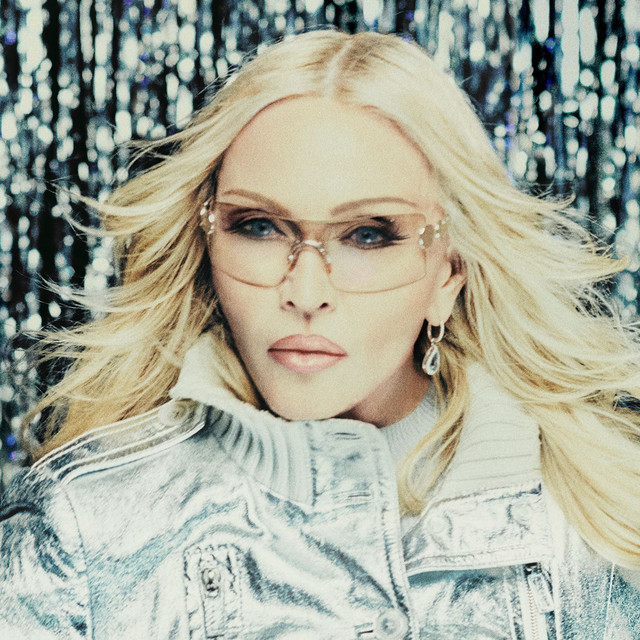
Recent data within the Pop genre indicates a nuanced landscape concerning artist momentum. While the overarching context suggests broader genre momentum due to multiple artists showing simultaneous growth, the current metrics for specific acts present a different picture. Both Madonna and Adam Lambert, for instance, registered a 0% growth in Spotify followers, maintaining their respective current counts of 9,522,416 and 1,670,590.
This uniform 0% average growth across the observed artists may suggest a period of market saturation or a stabilization of existing fan bases within the Pop sphere. It could indicate that while the genre remains profoundly popular and widely consumed, the incremental expansion of individual artist listenership, as measured by Spotify follower growth, has reached a temporary stasis. Such patterns often reflect a genre's mature phase, where audience acquisition shifts from rapid expansion to sustained engagement with existing fan communities.
Despite these specific growth figures, the broader assertion of Pop's enduring appeal, as noted by the context of multiple artists showing simultaneous growth, remains pertinent. The absence of significant negative growth for established figures like Madonna and Adam Lambert could be interpreted as a testament to the genre's robust foundational support. Their stable follower counts underscore a consistent listener base, which, while not expanding, continues to actively engage with the artists' outputs and the genre's overall output. This suggests that the perceived 'momentum' for Pop may stem from factors beyond just new follower acquisition, possibly encompassing streaming numbers, social media interactions, or sustained cultural relevance.
The current data points thus paint a complex picture for Pop. Rather than signaling a decline, the 0% growth observed for these artists, when viewed against the backdrop of the genre's overall stability, appears to reflect a mature ecosystem where established artists maintain their significant presence. Future analyses would benefit from examining other indicators of engagement to fully grasp the ongoing dynamics within this perennially influential genre.